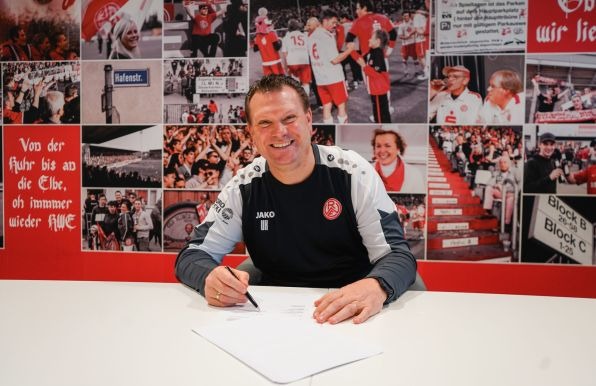
Uwe Koschinat will remain head coach of Rot-Weiss Essen beyond the summer of 2026. Assistant coach Dominik Ernst is also extending his contract at Hafenstraße.
This is something very few people involved would have expected. At 7:08 p.m., a murmur rippled through the hall at the Rot-Weiss Essen members’ meeting. That’s because Marc-Nicolai Pfeifer, CEO of RWE, announced that head coach Uwe Koschinat had extended his contract, which was set to expire in the summer of 2026.
“In the second half of the season, Uwe Koschinat led us out of a challenging situation with great clarity and tremendous dedication, securing our place in the league well ahead of schedule. On top of that, we won the Lower Rhine Cup and qualified for the DFB Cup—achievements that clearly demonstrate how consistently Uwe and his coaching staff work,” says Pfeifer.
He adds: “We are satisfied with the team’s on-field development over the past twelve months and, at the same time, see further potential—and we want to continue developing this path in a focused manner together with Uwe and his coaching staff. Continuity on the field is a key building block for sustainable success. That’s why we’re pleased that we were able to extend our partnership and look forward to the rest of the season with conviction and confidence.”
Koschinat, who has been with Rot-Weiss Essen since December 12, 2024, explains: “Last winter, when I took over the team while it was in a relegation spot, I quickly realized just how important RWE is here in Essen and the region. The past twelve months have been intense and very demanding for everyone involved—and they’ve left a huge, positive impression on me. I was able to quickly form a cohesive unit with the coaching staff, and a great sense of community also developed with the fans during the second half of the season. We managed to avoid relegation and won the Lower Rhine Cup.”
The Koblenz native had taken over RWE when the team was in 18th place in the standings, three points behind the safety zone in the 3rd League. He led Rot-Weiss through a strong second half of the season to avoid relegation and finish in 8th place in the final standings of the 2024–25 season. He also won the Lower Rhine Cup in May 2025 (a 2–1 victory in the final against MSV Duisburg), thereby qualifying for the first round of the 2025–26 DFB Cup.
“Now I’m proud to have signed a contract with Rot-Weiss Essen for the second time. I’m approaching this season’s major challenges and ambitious goals with at least the same level of determination as I did last season’s relegation battle. I’m very happy to continue being part of RWE’s sporting development and to remain at Hafenstraße,” says Koschinat.
The contract extension with assistant coach Dominik Ernst has also been finalized: The 35-year-old, who has been part of the RWE coaching staff since the start of the season, will also remain at Hafenstraße beyond the summer of 2026.
Ahead of the Bochum Match – Sporting Director Highly Sought After, First Half of the Season Over for Offensive Duo
According to media reports, the departure of sporting director Marcus Mann is looming at Hannover 96. In addition, the Lower Saxony club will have to do without two forwards in Saturday’s match against VfL Bochum.
At second-division club Hannover 96, VfL Bochum’s next opponent, the departure of sporting director Marcus Mann is reportedly on the horizon. As the “Bild” newspaper reports, the Austrian club RB Salzburg is making an intensive effort to sign the Lower Saxony club’s sporting director.
Talks are already underway, as 96 boss Martin Kind confirmed to “Bild.” “RB Salzburg has made an official and concrete approach. They want Marcus Mann. (…) Marcus Mann is interested, and we don’t want to stand in the way of his career and development. But if that starts two years from now, that would of course be okay with us, too. We’ll always handle everything with goodwill, but we won’t let ourselves be pressured on a timeline. Without an alternative, there’s no solution,” said the 81-year-old.
Talks with the 41-year-old are reportedly already well advanced and could be concluded quickly. Most recently, the “Kurier” reported that Kind is negotiating a transfer fee for Mann with Red Bull boss Oliver Mintzlaff and RB soccer chief Jürgen Klopp. The contract of the 96 sports director, which contains no buyout clause, remains valid through 2029.
Mann has been with Hannover since the summer of 2021. Initially hired as sporting director, he was promoted to managing director of sports in March of this year. VfL Wolfsburg was also recently rumored to be interested in Mann, but the struggling Bundesliga club was turned down.
First-Half Season Over for Two Offensive Players
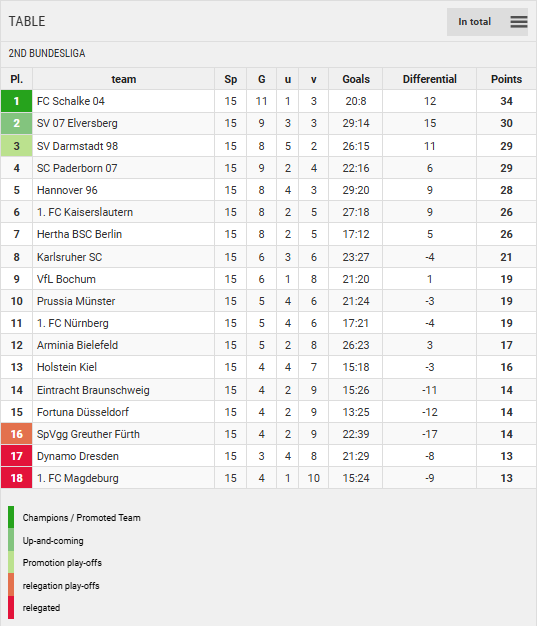
In both this coming Saturday’s league match (December 13, 8:30 p.m.) against VfL Bochum and the final game before the winter break at 1. FC Nürnberg (December 21, 1:30 p.m.), the fifth-place team will have to do without Mustapha Bundu and Husseyn Chakroun due to injury.
Right winger Bundu, who has earned a spot in coach Christian Titz’s starting lineup in recent weeks, suffered a medial ligament injury last weekend during the 2-2 draw in Münster and will therefore miss the last two games of the first half of the season.
Husseyn Chakroun will also not take the field again this year. The 21-year-old forward had to be substituted in Münster after just 25 minutes because he felt muscle problems in his thigh following a tackle. Further examinations confirmed the suspected structural muscle-tendon injury in his left thigh. This will result in a layoff lasting “several weeks,” 96 announced.
Declaration of self-hosted wallets, social media monitoring. … tax authorities are getting organized
Tax oversight related to cryptocurrencies reportedly has some gaps in France, according to a recent report by the Court of Auditors. On the agenda: reporting of self-hosted wallets and targeted monitoring of social media. An obvious security risk given the rise in kidnappings of crypto figures.
The Court of Auditors Highlights Tax Challenges Related to Cryptocurrencies
The Court of Auditors is the primary French institution responsible for auditing public funds. In this context, it has just published a report dated December on the corrections needed to address “distortions in wealth taxation.”
This document, spanning over 200 pages, includes a chapter addressing the sensitive topic of cryptocurrencies—specifically, “the challenge of detecting undeclared digital assets.” This pertains particularly to gains realized “in the form of capital gains, compensation, and donations.”
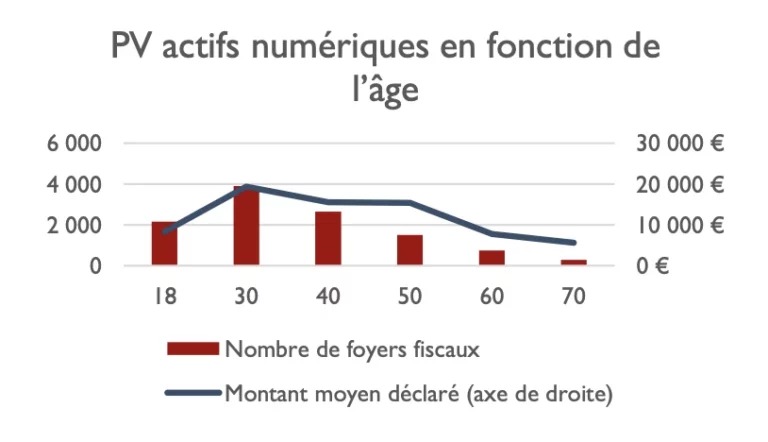
These capital gains largely concern people in their thirties, with more than 4,000 tax households referenced in this report. The problem? A discrepancy described as “significant” between Chainalysis’ estimates of capital gains by French cryptocurrency holders in 2021—estimated at 3.5 billion euros—and figures from the DGFiP, which report a total of 400 million euros in reported gains involving 20,000 taxpayers over the same period.
As a result of this finding, the reporting obligations of cryptocurrency holders and crypto service providers (PSANs) have been gradually strengthened. However, there are still some gaps to be filled, according to certain points in this report highlighted by Henri Gauthier on the X network.
Some ideas for improving oversight of cryptocurrency holders
The first point highlighted in this report concerns the entry into force of the “DAC 8” directive, scheduled for 2026. This directive requires European crypto service providers (PSANs) to report certain information regarding transactions conducted through them to the tax authorities of the member state in which they are based.
However, the Court of Auditors notes that this requirement “will not apply to PSANs hosted in France.” It therefore believes it would be necessary to remedy this situation by aligning the obligations of French PSANs in this area with those of their European counterparts.
The report also highlights what it calls regulatory “blind spots,” particularly due to a complete lack of response to requests from the tax authorities by certain non-European PSANs based in Singapore or Hong Kong.
At the same time, the Court of Auditors makes it very clear that French tax authorities lack the resources to carry out these audits, which are currently in the hands of “a handful of experts.” And for good reason: “digital assets do not yet constitute a specific focus of tax audits.”
On the agenda: reporting of self-hosted wallets and monitoring on social media
The main recommendation in this report calls for the implementation of a “requirement to notify the tax authorities of the holding of self-hosted crypto-asset wallets above a defined value threshold.”
A procedure that, according to Henri Gauthier, could involve listing the relevant addresses on the Cerfa tax return.
Finally, the Court of Auditors notes that the Tax Investigation Directorate is reportedly conducting “a pilot program allowing it to use non-public data from social media to detect undeclared digital asset transactions.”
This increased surveillance raises numerous issues, particularly regarding security for cryptocurrency holders, who are currently facing a surge in ransomware attacks. Indeed, their personal data could fall into the wrong hands—either through a hack or due to the complicity of certain government officials, as has recently been the case.
Why Are These Two Cryptos in Free Fall? Analysis
October 10 will go down as one of the most turbulent days in crypto history. A tsunami of liquidations swept through the market, leaving some projects in dire straits. Aptos and Bittensor were among the hardest hit. Why did they plummet so sharply? Is their future in jeopardy?
Extreme Conditions for the Crypto Market
The crypto market is characterized by volatility far greater than that of traditional assets (stocks, real estate, etc.). Investors know this. Yet even the most cautious investors suffered considerable losses on October 10.
This was the largest liquidation event ever observed in the crypto universe. Neither the collapse of FTX nor that of Terra Luna had triggered such a tidal . This phenomenon is telling. The majority of projects were hit hard by this extreme volatility. Some will manage to bounce back, slowly rebuilding their credibility and investor confidence. For others, it is already too late: the crash was so brutal that a recovery seems impossible.
In this article, we will analyze two cryptos that were severely in November. We’ll highlight the key factors that contributed to the decline of the APT token and the TAO token:

Aptos: – 36.6%
Aptos is a Layer 1 blockchain born from the ashes of Diem, a crypto project abandoned by Facebook (Meta) due to regulatory pressure. Based on the Move language, Aptos is an ultra-fast blockchain. It offers significantly lower transaction fees than the Ethereum blockchain, making it well-suited for the high-frequency trading sector.
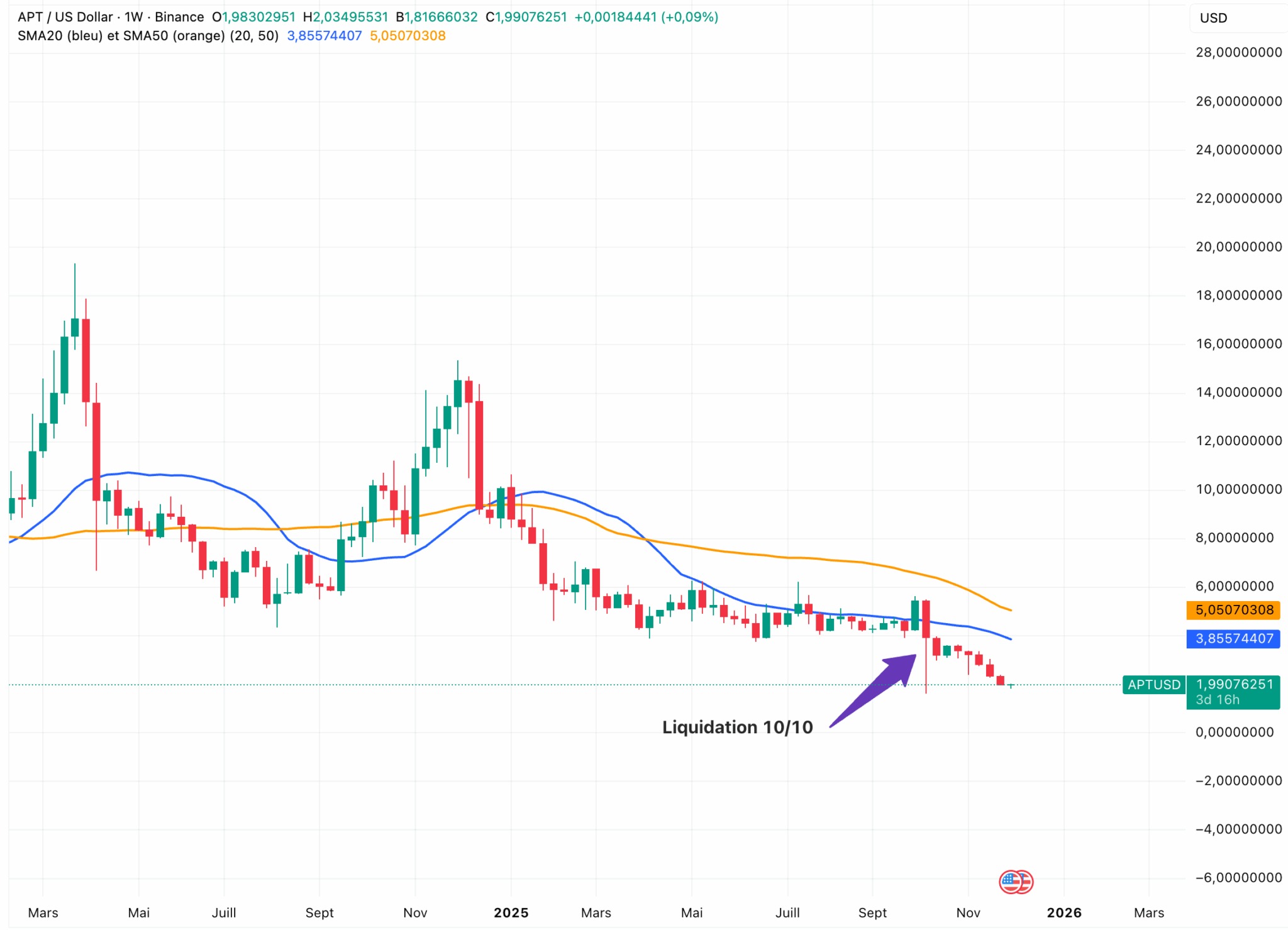
As shown in the chart above, the price of the APT token has never recovered from the crash on October 10. Over the last 30 days, its value has fallen by nearly 37%. Since the week of October 10, the decline has even reached 63%, or nearly two-thirds of its market capitalization.
While we’re discussing a technical aspect here, other fundamental and on-chain factors also help explain this plunge.
Aptos is often referred to as a “VC Chain” due to its massive venture capital funding. According to DropsTab, the project has raised over $350 million across two funding rounds. Of the five rounds in total, three remain opaque in terms of their terms.
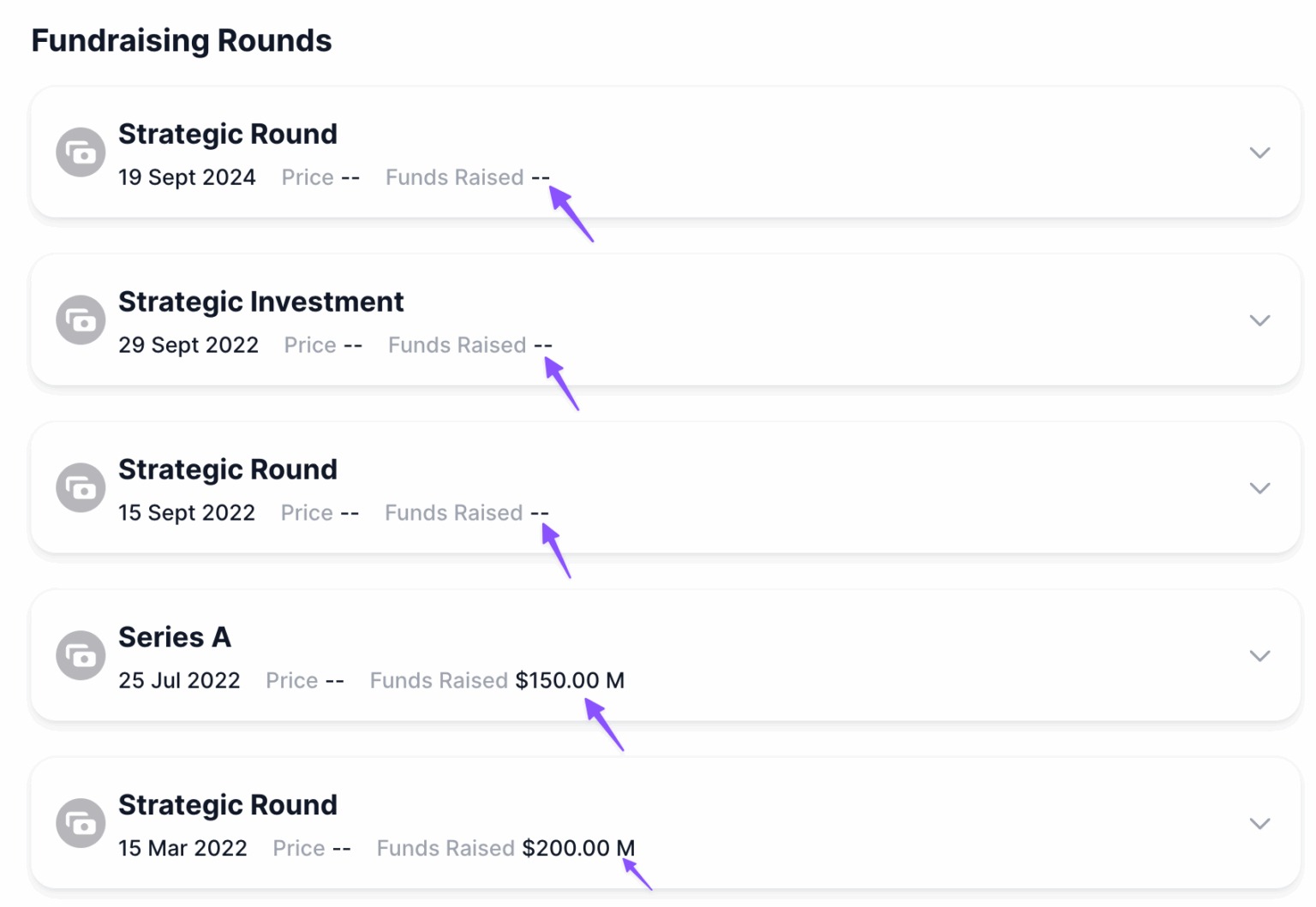
These fundraising rounds come with a trade-off: institutional investors gradually recoup their investment by selling their tokens, with the aim of making a profit (or limiting their losses).
This process, known as token unlocks, acts as a drag on the token’s price. If demand does not offset the increase in supply caused by the unlocks, the price automatically falls.
Each month, 11.31 million APT tokens are released, further exacerbating this imbalance between supply and demand.
Furthermore, on-chain data from the Aptos blockchain does not bode well:
- From October to November, fees generated by the blockchain fell by 32.4%;
- Over the same period, the trading volume of the APT token fell by more than 33.5%.
In summary, Aptos is navigating a period of significant turbulence. The token has broken through its technical support levels, and neither its tokenomics nor on-chain activity appear capable of reversing the trend.
Bittensor (TAO): -40.2%
Launched in November 2021, Bittensor presents itself as a project combining artificial intelligence (AI) and blockchain. Every Bittensor participant (individuals, software, or hardware) freely contributes to the system by providing AI models, data, or computing power.
Paradoxically, the price of the TAO token had held up well against the October 10 shock, even beginning a recovery the very next day. However, in November, its value plummeted by more than 40%. Currently, it is testing a major technical support level on the weekly chart —the last line of defense before a potential drop toward $215.
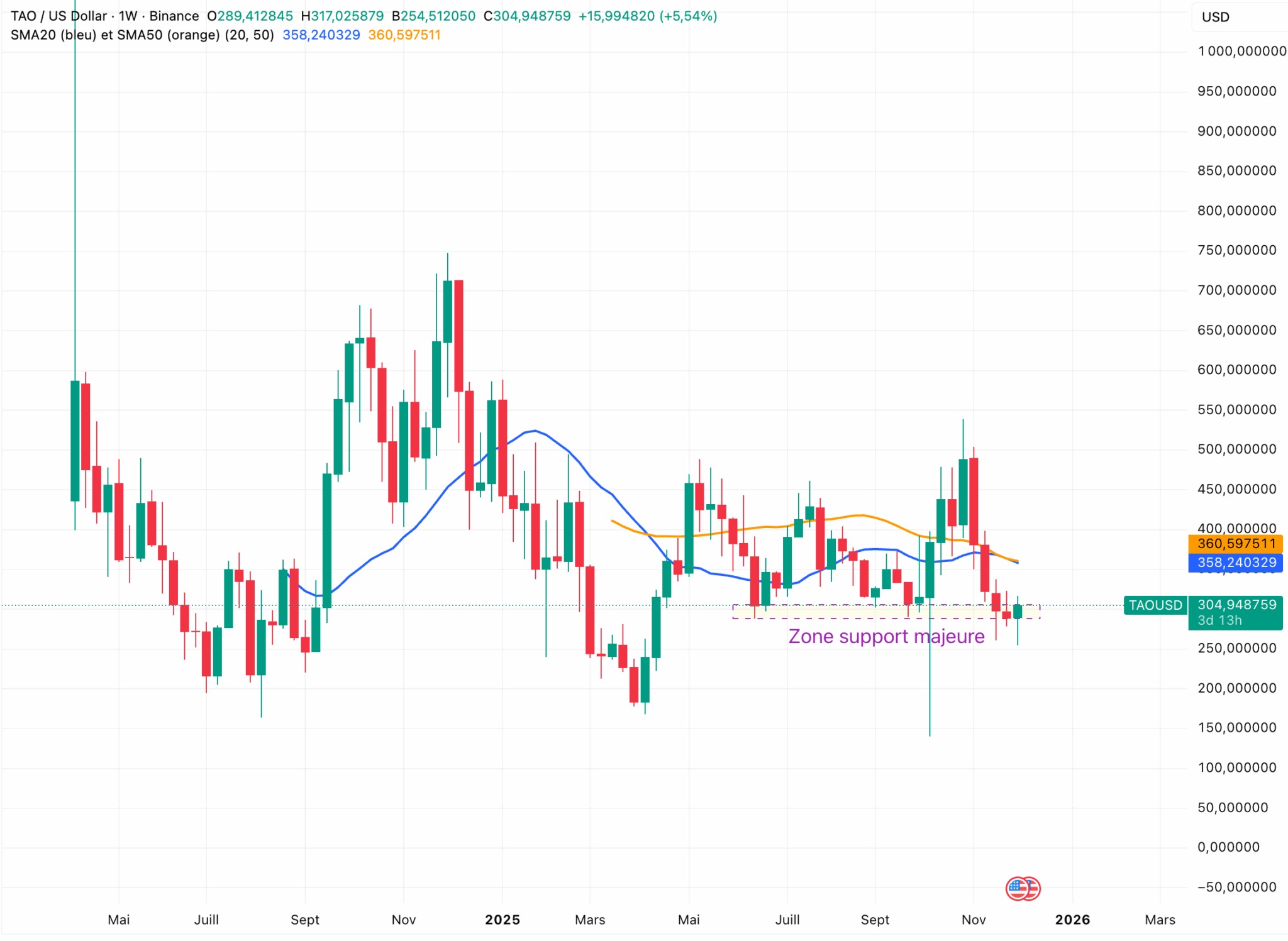
It’s important to provide some context for this decline: the entire crypto market posted lackluster performance in November, with BTC down 13% and ETH down 17%. These are particularly challenging conditions, with very few altcoins posting positive returns.
However, this is not the only possible explanation for TAO’s decline. In fact, Bittensor is reaching a pivotal moment in its history. On December 12, Bittensor will undergo its first halving.
In other words, the number of TAO issued each day will be cut in half, from 7,200 to 3,600. Although this type of event is generally considered beneficial in the long term for a cryptocurrency’s appreciation (less supply), it can also slow the growth of the Bittensor ecosystem.
In fact, network participants (miners, validators, etc.) will see their incentives (financial rewards) cut in half. Echoing this concern, data from the Token Terminal platform suggests that the number of core developers dropped dramatically over the summer, falling from 70 people to a reduced team of fewer than 20:

Another worrying sign: TAO’s trading volume has plummeted in recent weeks. It fell from $3.56 billion (week of October 13) to 1